Thanks to my dad’s job as a TV writer, we received For Your Consideration screeners in the weeks leading up to the Emmys. Box sets of DVDs flooded the house, spilling across the kitchen counter. We knew we’d only watch a fraction of the shows, but it felt wrong to throw any of them away, all shiny and new, so we kept the full trove for a few months.
That’s how I got my hands on Queer as Folk. I was fourteen when I rummaged through the reject pile in search of it. While my parents and older brother Nick were distracted by Everybody Loves Raymond, I ran upstairs with the illicit discs.
Two men kissing! Two men fucking! More than two men fucking! Mind. Blown.
But as thrilling as those scenes were, it was the non-sexual content that had a lasting impact on me. My parents didn’t have any close gay friends, and I never had an openly gay teacher or coach. I grew up in L.A. in the 90s, not Arkansas in the 50s, so I find this hard to believe looking back, but it just goes to show how much the world has changed in a couple decades.
In the absence of real-life gays, my mental image was formed by mainstream portrayals like Will & Grace—another groundbreaking show, no doubt about it, but one that used stereotypes to make sitcom gayness palatable to the masses. The male leads provided enough flamboyant caricature to be a non-threatening part of NBC’s lineup.
Queer as Folk was a raw and messy revelation. Those men experienced fierce passion, platonic kinship, and unrequited love, while facing harrowing villains like homophobia, AIDS, and the law. This was how I first “met” gay guys and learned I could be one without playing the effeminate best friend—an idea For My Consideration indeed.
But one that only existed on TV. It would be years before I had in-person role models, years in which all signs pointed away from it gets better and towards it gets worse. In high school, I learned the negative applications of the word “gay,” be it the personal attack of “You’re gay” or the catch-all criticism like “Soup for lunch? That’s so gay.” and “Dude, how gay was that pop quiz.”
It breaks my heart to think my younger self heard that every day. This was a time when other boys—and not just bullies—routinely imitated the limp wrist and sibilant voice of the only gay persona in our collective conscience. To out the sissies in the grade, they asked incriminating questions like, “How do you cross your legs sitting down?” Wrapping one leg over the other was gay; real men made a 90-degree angle with their crossed leg, ankle over opposite knee.
I’d missed the memo on Masculine Behavior and was like, Oh, I’m doing something wrong? By being me? What are my options?
It was a constant witch hunt, so even though I wasn’t sure of my sexuality, I took precautions. I downplayed traits and interests that provoked accusations. I censored my actions with:
Is this girly?
Would that look gay?
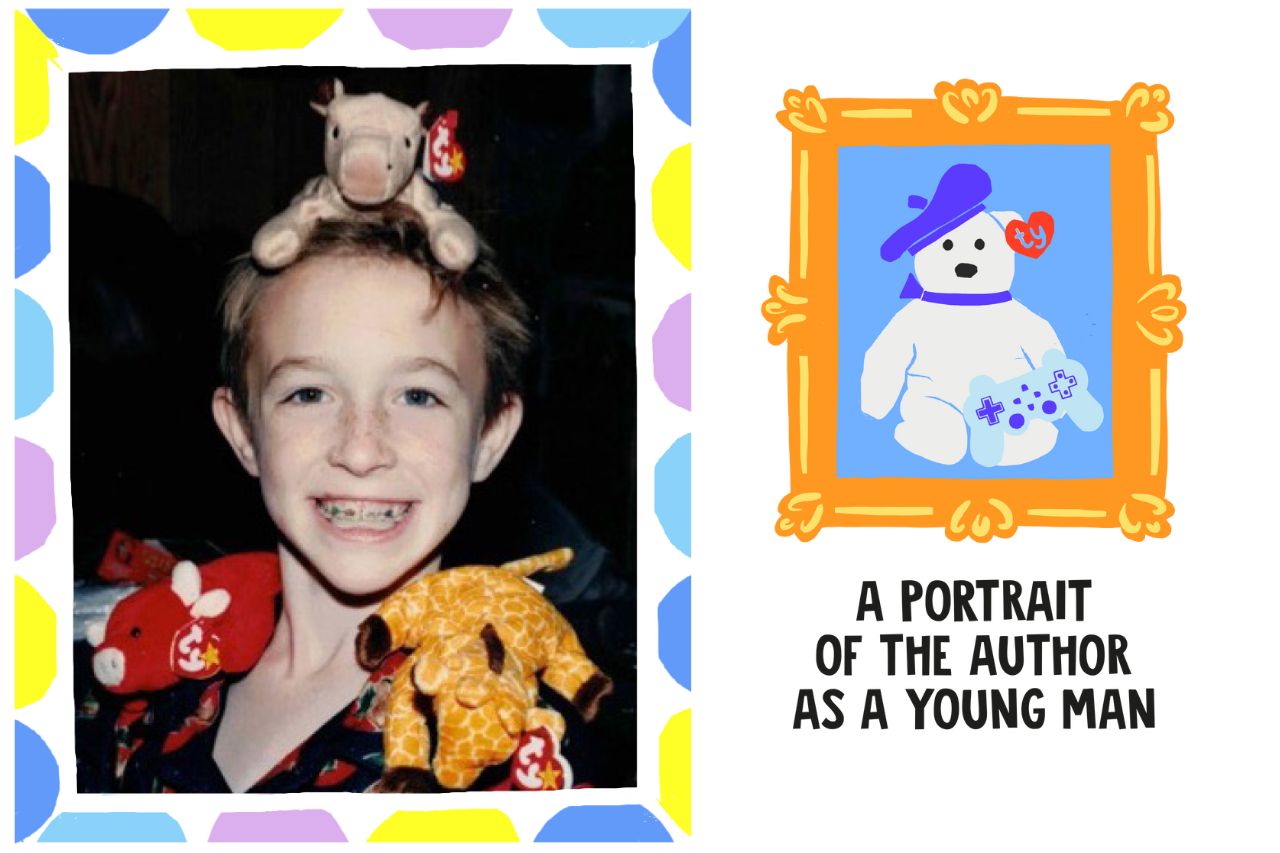
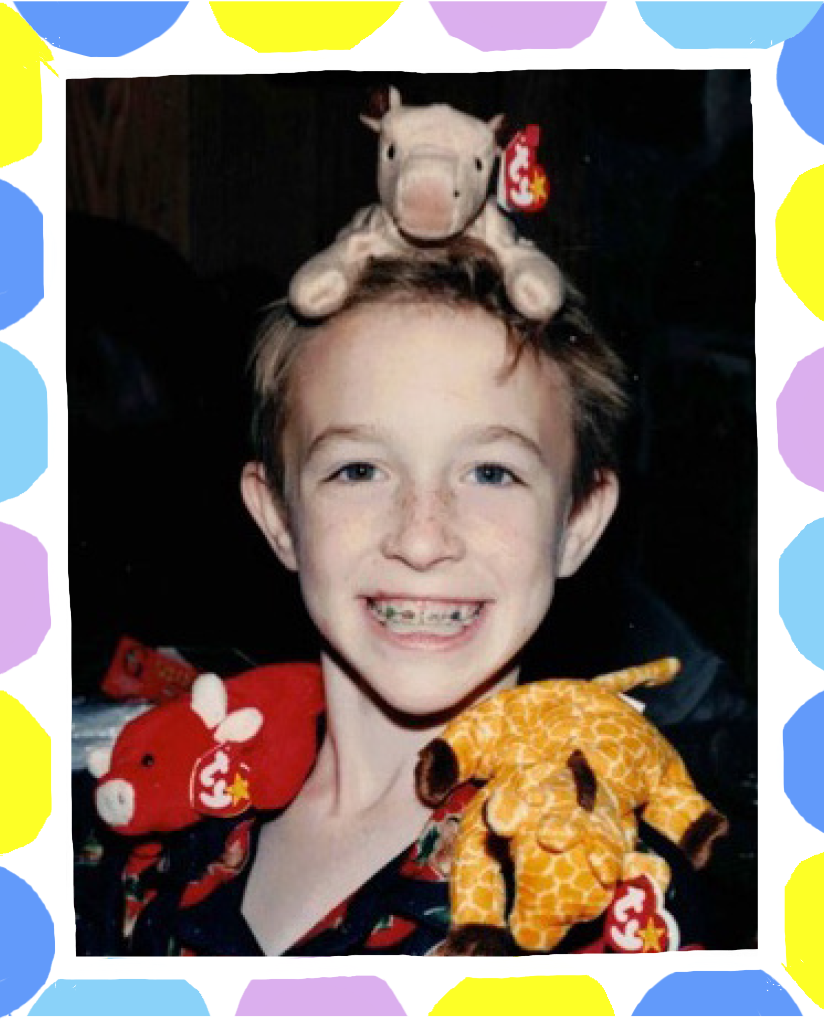
As a result, I dropped choir and stopped going to theater summer camp. I tried to speak in a lower octave, and watched the asinine show Jackass so I could join in when other boys talked about stunts. I built a facade to make life easier to navigate. Goodbye Beanie Babies and beret, hello PlayStation and puka shells.
At college, this hetero camouflage continued. I hooked up with girls all four years but rarely let them sleep over and delay my early start in the library. I had little interest in their bodies and serious interest in grades, so it was a no-brainer, really, but a shitty way to treat someone. I feel bad about that, the casualties of my confusion.
There were occasional rumors about me, but there were rumors about everyone eventually; no individual stayed in the spotlight for long.
I had my first gay experiences senior year. All covert. All amazing. They gave me the proof I needed to invalidate an excuse I told myself that Everyone has gay thoughts at some point.
In the depths of denial, I’d say, That doesn’t make me gay. I can’t know until I try it.
Tried it.
Liked it.
Case closed.
By graduation, I no longer wondered if I’d come out, just when.
Then a summer trip to Israel bumped it up my priority list. Amidst throngs of worshipers writing notes at the Western Wall, I was struck by an urge to be sincere and scribbled, “Give me the strength to be who I am.” I rolled the paper tight and slid it into the Wall’s towering face. Only now do I appreciate the irony of embracing my homosexuality by shoving something into a crack. I resolved to keep a photo of the Wall as my desktop image until I came out. Each time I opened my laptop, I felt a gentle prod in a private language of accountability between my past and future selves.
I’d won a scholarship for a one-year master’s at Cambridge, and I liked the idea of coming out in England—of going somewhere different to become someone different. I planned to tell my parents on our last night together in London, after seeing the play War Horse. I figured we’d all be in a good mood when I shared the news back in their hotel room.
My plan: great.
My poker face: not so much.
At intermission, while downing a vodka soda, I clearly looked preoccupied because Dad asked what I was thinking about.
“Nothing,” I said, too consumed with thought to muster a better answer.
On the plus side, I now had material for my imminent coming-out script. I knew that words could easily fail me in the moment, so, like an actor prepping for an audition, I silently practiced the rest of the evening: Dad, you know when you asked me what I was thinking about? What I was really thinking about was how to tell you I’m gay.
Back at the hotel, I walked them to their room and delivered my lines. I could barely finish before losing it. I was overtaken by emotion—first fear and then joy. Catharsis. My secret was out. The hiding was over. I could let down my guard and free up the energy I’d spent on protecting a lie for all those years.
My parents rushed over to embrace me. My sobbing induced their sobbing, and we remained in a huddle of tears until Dad asked, “Why are we crying?”
It was classic Dad. Though framed as a question, it was more of a statement, with a powerful message that set the tone for the night. He was saying, “[We love you. You love us. This isn’t sad, so] why are we crying?”
“Because I’m happy,” I replied.
They juggled dual impulses to process their own feelings and address mine, and that multi-tasking took distinct forms. Mom had all the questions you’d expect, ranging from “Have you been safe?” to “Will you have children?” Dad continued to inject levity with lines like, “This just makes our family hipper!”
It was a warm and affirming reception, but I still dreaded day two. Would Mom use an overly soft tone as if I’d attempted suicide? Would Dad show me articles he’d googled on parenting a gay son? Would they look sleep-deprived? Teary-eyed?
If anything, the morning after was awkward for not being awkward. Perhaps we’d absorbed the British Keep Calm and Carry On mantra, or perhaps we genuinely felt the day could start like any other. We caught an early train to Cambridge, at which point, as I’d hoped, our checklist of errands dominated the afternoon. We only had one day to make my spartan dorm room habitable, and I had a welcome event that evening, so there was scant time for in-depth discussion.
My master plan was going so well until they asked if we could meet again after their week of U.K. sightseeing. I knew that my evasion tactic of “I’m gay, goodbye!” wasn’t the fairest farewell, so I relented and met them in London for a proper debrief on what my gayness meant for the year(s) ahead. More than anything, they wanted assurance that I felt comfortable starting this quote-unquote “new life” so far away from friends and family.
“That was the point!” I told them.
What I didn’t tell them was that I’d already met someone.