
As we look ahead to 2026, one thing feels clear: we LGBTQ+ people are continuing to build families in record numbers — but we’re doing so with greater intention, higher expectations, and a growing insistence on equitable, affirming care. The landscape of fertility, surrogacy, adoption, and foster care is evolving rapidly, shaped by cultural shifts, policy changes, and the lived experiences of queer families across the country.
Based on what we’re seeing at GWK Academy — through our partners, prospective parents, mentors, and community — here are six trends I believe will help define LGBTQ+ family building in the year ahead.
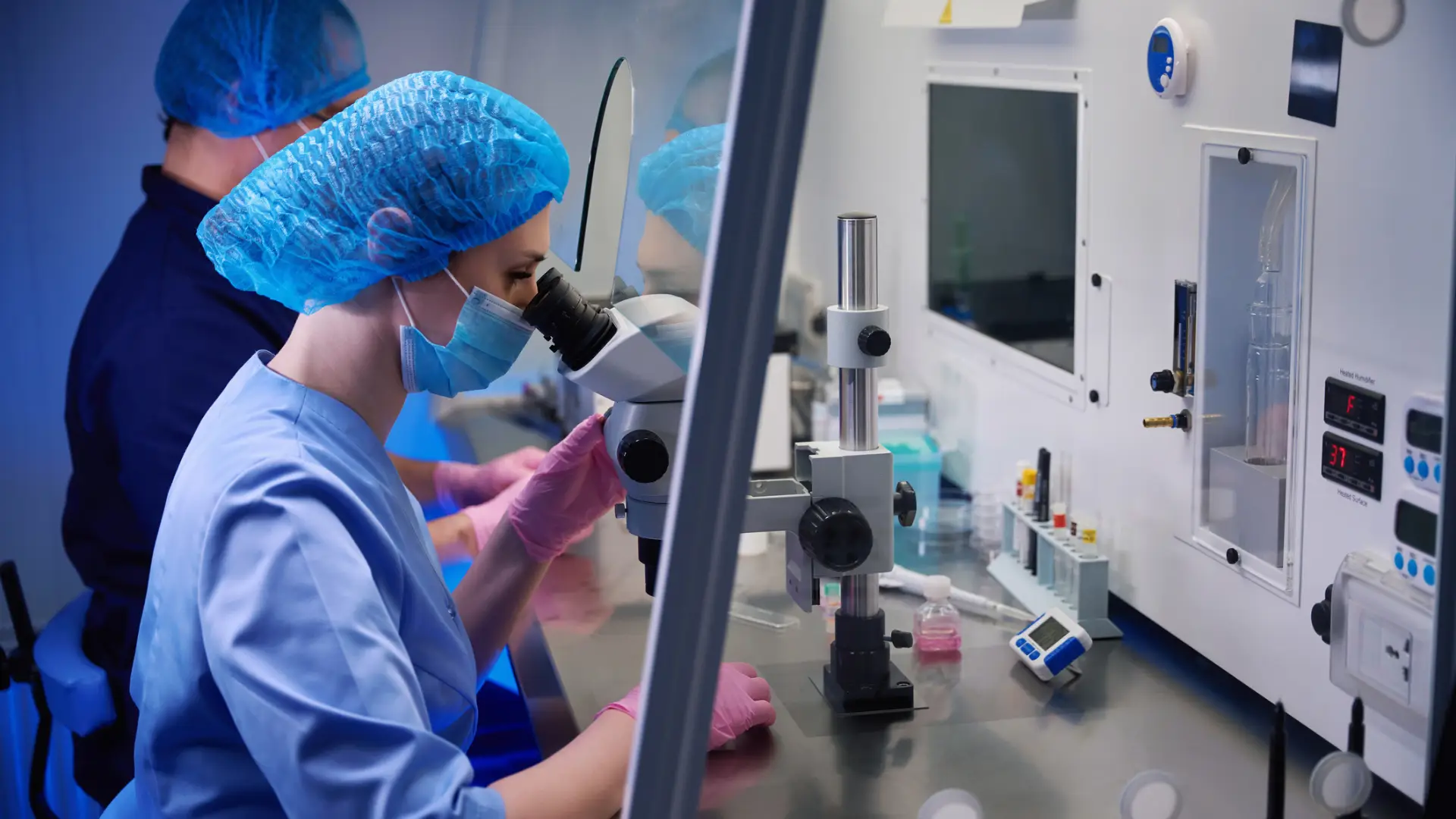
1. A Growing Demand for Affirming Providers Across All Paths to Parenthood: LGBTQ+ people have always had to navigate systems that weren’t built with us in mind, but 2026 will be the year more prospective parents push back — and insist on working only with clinics, agencies, attorneys, and professionals who are truly affirming.
This moment has been building for years. Families are no longer satisfied with “we treat everyone the same.” Instead, we should all insist on:
- Working with providers trained in LGBTQ+ cultural competence
- Being presented with clear, inclusive intake processes
- Being supported by staff who understand the unique emotional and logistical realities of queer family building
- Experiencing transparent, affirming communication at every step.
This shift is why we are in the process of developing a provider LGBTQ+ Affirming Certification specifically for the fertility industry. This new program — created in collaboration with leading fertility experts and LGBTQ+ health advocates — is designed to help IVF clinics and fertility-care teams deepen their understanding of queer family-building needs and deliver care that is affirming, informed, and culturally competent.
In 2026, families will increasingly choose fertility providers who understand them — not simply tolerate them.
2. More Ways for Prospective Parents to Predict and Control Costs: Financial unpredictability remains one of the biggest barriers LGBTQ+ people face when building their families. But in 2026, we expect a surge in new tools, transparent pricing models, and bundled services aimed at helping families more fully understand what their journey will cost.
We’re already seeing:
- Clinics offering clearer breakdowns of IVF, donor, and surrogacy costs
- More inclusive financing options
- Early-stage planning tools for donor conception
- Transparent surrogacy agency fee structures
- Growing use of cost-comparison tools
These innovations don’t make family building inexpensive — but they empower LGBTQ+ families with information and control. That alone can change the trajectory of someone’s path to parenthood.
3. Expanded Mental-Health Support Tailored to LGBTQ+ Family Building: Mental-health support has long been an under-discussed part of LGBTQ+ family building. In 2026, that begins to change.
Across every path to parenthood — fertility, adoption, foster care, surrogacy — queer people face unique emotional challenges that traditional support systems often overlook. That’s why we’re bringing together three to four LGBTQ+ mental-health experts to develop new resources, guidance, and tools designed specifically for our community.
These supports will help address:
- Anxiety and uncertainty during long waits
- Grief and loss when journeys take unexpected turns
- Navigating non-affirming systems or providers
- The emotional realities of donor conception
- Identity-specific needs for trans and nonbinary parents-to-be
I believe 2026 will mark a shift in which emotional preparedness becomes as essential as financial planning — not secondary to it.
4. Adoption Education is Becoming More Nuanced: One of the clearest LGBTQ+ family-building trends heading into 2026 is a shift toward more thoughtful, identity-aware adoption education. Prospective parents are no longer satisfied with basic overviews of how adoption works. Instead, they’re engaging more deeply with the nuances that shape an adoptee’s experience and an adoptive parent’s responsibilities — especially within LGBTQ+ families, where visibility, openness, and community often play unique roles.
Families are asking more informed questions about openness with birth families, trauma-informed parenting practices, and the developmental needs of adopted children. They’re also seeking clarity around the differences between private adoption and adoption from foster care, as well as how state-specific laws and timelines can shape an adoptive journey. This move toward more intentional, grounded preparation reflects a growing commitment among LGBTQ+ parents to build families in ways that honor children’s identities, histories, and long-term well-being.
5. Meaningful Progress in Trans and Nonbinary Family-Building Support: While many trans and nonbinary people have built families for decades, the fertility and reproductive-health systems have not always met them with affirming or informed care. That is finally starting to shift.
More clinics, agencies, and support programs are:
- Updating intake systems to reflect all gender identities
- Offering more nuanced fertility-preservation pathways
- Creating protocols for gender-affirming care alongside fertility treatment
- Training staff on trans-specific reproductive needs
We’re committed to continuing this progress through our upcoming course modules and expert-led content designed specifically for trans and nonbinary parents-to-be. In 2026, we expect more providers to embrace these standards as the baseline — not the exception.
6. A Rise in Community-Driven Storytelling, Education, and Peer Support: As LGBTQ+ people continue to navigate fragmented systems, one of the most powerful forces shaping 2026 will be community itself.
Families are increasingly turning to peer support, mentorship, and shared experiences to help them make informed choices and feel less alone on their journey. Through GWK Academy, we see firsthand the transformative power of:
- Mentorship programs
- Prospective parent coaching
- Peer-to-peer guidance
- Storytelling that reflects the full diversity of LGBTQ+ families
This collective knowledge is becoming a vital resource — one that not only empowers families but reshapes the broader landscape of care. In 2026, we expect community-driven education to become one of the most influential tools LGBTQ+ people rely on as they move through their family-building paths.
Closing Thought: If 2025 taught us anything, it’s that LGBTQ+ people continue to build families with intention, creativity, and hope — even when circumstances are challenging or uncertain. Our promise at GWK Academy is that as we move into 2026, we’ll keep working toward a landscape where every LGBTQ+ person can access the support, information, and affirming care they deserve.
[This article] was originally published on LGBTQ Nation.